by Anybody, for Their Own Purpose

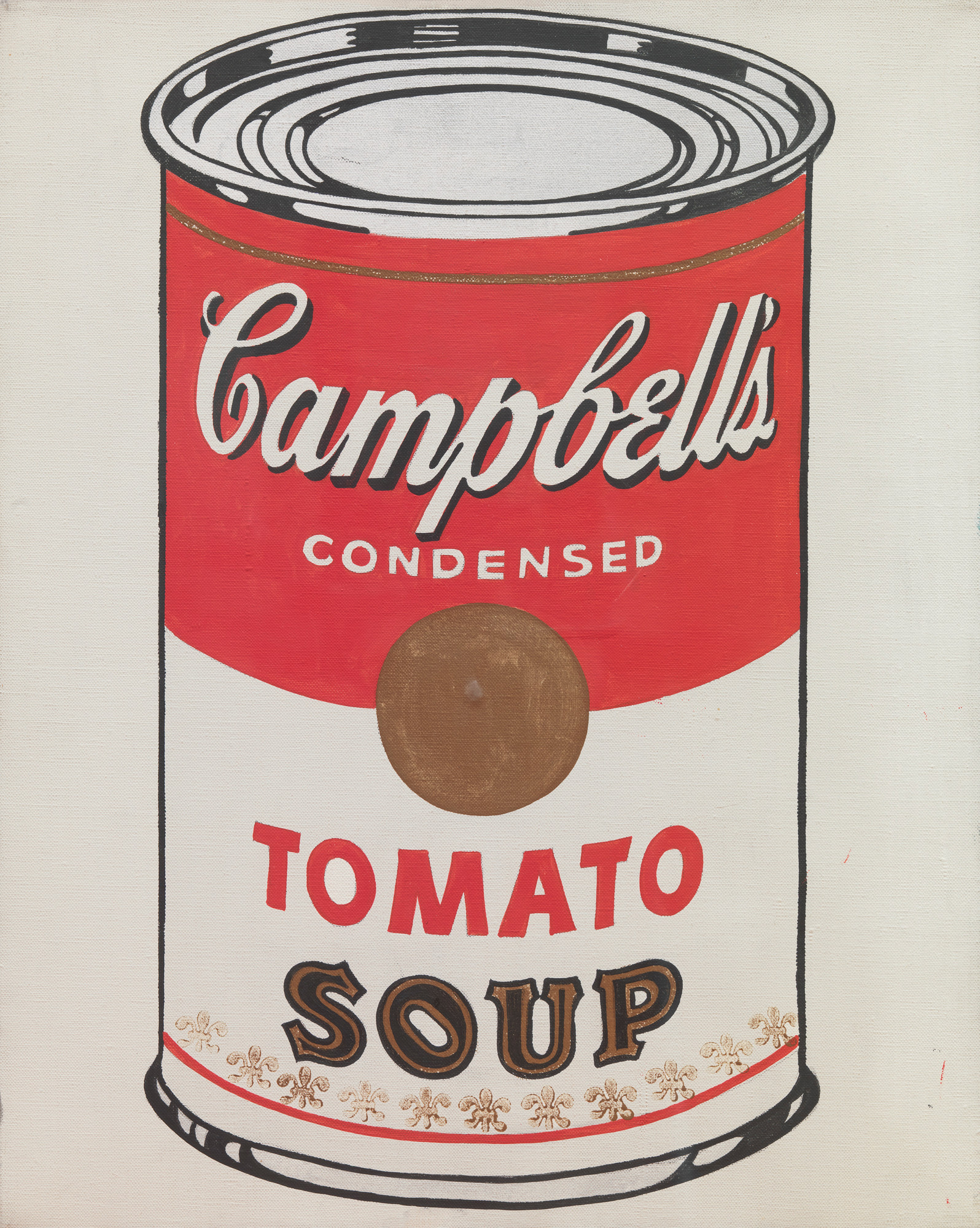
Campbell's Soup Cans by Andy Warhol

Summary of Article

In the first episode of "Ways of Seeing," John Berger explores the nature of art and imagery in the context of contemporary society. He discusses how our perception of art has been influenced by various factors, including cultural, social, and economic forces.

Berger introduces the concept of the male gaze in art, highlighting how traditional art often portrays women as objects to be looked at and desired. He emphasizes the importance of considering the perspective and context in which art is created and viewed.

The episode also touches on the role of advertising in shaping our perception of images. Berger argues that advertisements use techniques to create desire and consumerism, often by objectifying individuals and commodifying products.

Overall, the first episode of "Ways of Seeing" encourages viewers to critically examine how we perceive and interpret art and imagery in a world saturated with visual information. It challenges traditional notions of art appreciation and invites us to consider the societal influences that shape our understanding of images.

John Berger

Infinitely Replicating Artworks

Berger argues that in the modern age, art has become highly reproducible due to advancements in technology. This means that artworks can be easily copied, reproduced, and distributed through various means such as printing, photography, and digital media. As a result, art is no longer confined to the original artwork itself but exists in multiple copies and forms.

Berger draws upon the ideas of German philosopher Walter Benjamin, who coined the term "aura" to describe the unique and authentic presence of an original artwork. In a world where art is infinitely replicable, the concept of aura diminishes. Reproductions, such as prints or digital images, lack the same authenticity and uniqueness as the original.

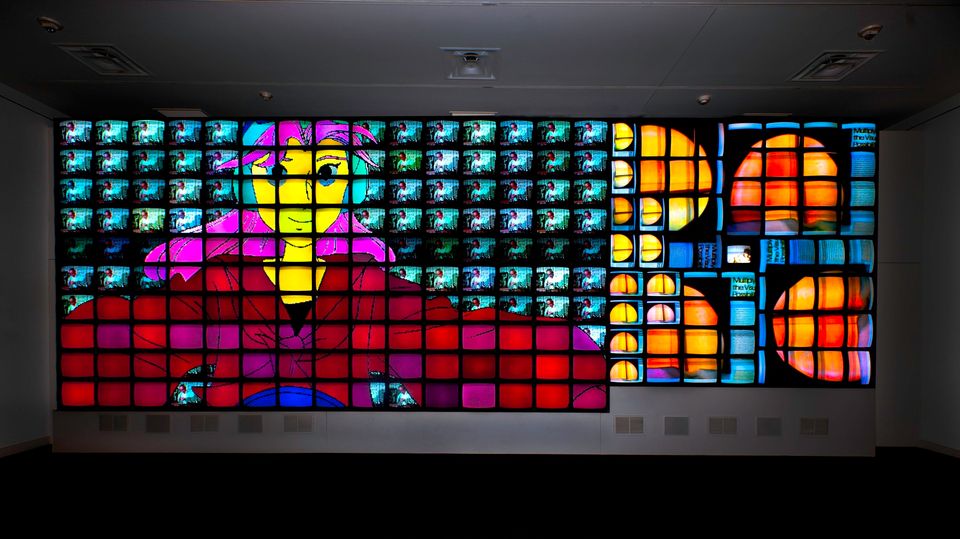
Megatron/​Matrix by Nam June Paik

The infinite replicability of art has a profound impact on how we perceive and interact with art. We are now more likely to encounter artworks through reproductions, whether in books, magazines, online galleries, or advertisements. These reproductions shape our perception of art and influence how we interpret its meaning and significance.

The ability to reproduce art has also transformed the dynamics of art ownership and access. While original artworks may be held by a select few, reproductions make art accessible to a wider audience. Replicas can be owned and displayed by individuals, institutions, or even appear in public spaces.

Berger's exploration challenges traditional notions of art appreciation, where the value of an artwork was often tied to its rarity and exclusivity. He argues that the value of art should be reassessed in the context of its infinite replicability and the changing ways in which we encounter it.